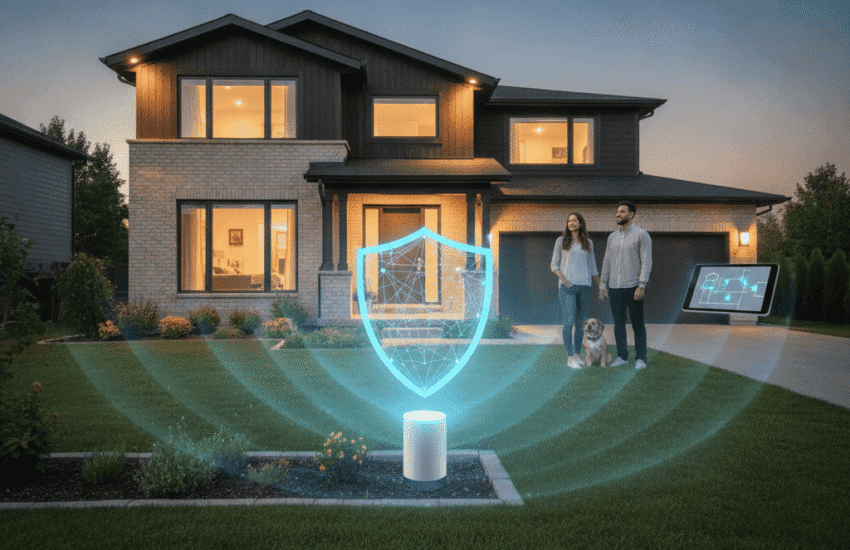
Choosing the Best Personal Alarm for Seniors
As we grow older, personal safety becomes an increasingly important concern—not just for ourselves but also for our loved ones. For seniors, especially those who live alone or encounter mobility or medical difficulties, personal alarms can serve as a straightforward yet effective way to enhance safety, boost confidence, and maintain independence.
With so many personal alarm options on the market, choosing the right one can be overwhelming. In this blog post, we’ll explore everything you need to know about personal alarms for seniors—from what they are and how they work to what features to look for and how to pick the best one for your unique situation.
What Is a Personal Alarm for Seniors?
A personal alarm is a compact, wearable device designed to call for help in emergencies. These alarms can alert family members, friends, caregivers, or emergency services when the user is in distress—such as after a fall, medical issue, or suspicious activity. Personal alarms for seniors are especially valuable because they enable seniors to live independently while providing peace of mind for their families.
Types of Personal Alarms
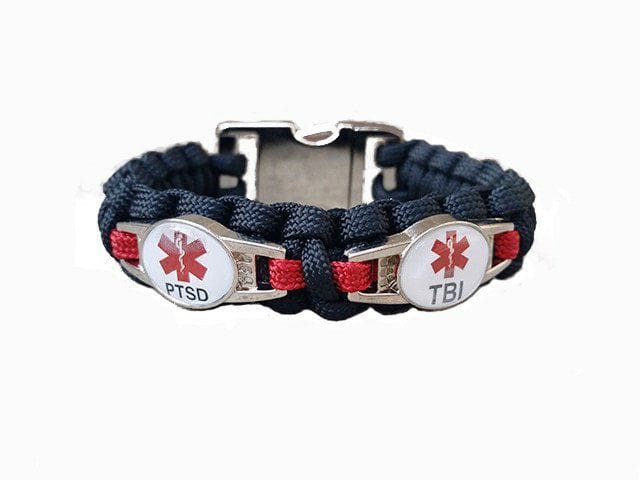
- Wearable Alarms (Necklace or Bracelet Style)
These are popular for their convenience. Most are worn as pendants or wristbands, allowing seniors to trigger the alarm easily with the push of a button. - Fall Detection Alarms
These alarms use sensors to detect sudden movements or falls, automatically alerting caregivers or emergency contacts without requiring manual activation. - Mobile GPS Alarms
These alarms are ideal for active seniors. They include GPS tracking to help responders locate the user even outside the home. - Home-Based Alarms
These systems typically come with a base unit and wearable pendant or wristband. They are designed for seniors who mostly stay at home and require coverage within the house. - Smartphone-Connected Alarms
Some modern alarms connect with smartphones, allowing caregivers to monitor the senior’s status in real time. These may include additional features like medication reminders, GPS, and health tracking.
Why Seniors Need Personal Alarms
Here are some reasons why a personal alarm can be a critical tool for senior safety:
- Immediate access to help: In emergencies like falls or medical issues, every second counts. Personal alarms allow seniors to summon assistance quickly.
- Enhanced independence: With a safety net in place, seniors can confidently maintain their independence longer.
- Peace of mind for families: Knowing their loved ones can easily call for help provides reassurance to family members and caregivers.
- 24/7 monitoring: Many alarm services offer around-the-clock monitoring for complete protection.
Key Features to Look for in a Personal Alarm
When evaluating personal alarms, look for the following important features:
- Ease of Use
The alarm should have large, simple buttons and intuitive design, especially for seniors with arthritis or vision impairments. - Automatic Fall Detection
This feature is critical for seniors who are at high risk of falling or may lose consciousness. - GPS Location Tracking
GPS can be life-saving if a senior becomes lost or disoriented outside the home. - Water Resistance
Since many falls occur in the bathroom or kitchen, choose a device that’s waterproof or water-resistant. - Two-Way Communication
Some devices allow the user to speak directly to a responder through the alarm, providing reassurance and faster action. - Battery Life
Look for alarms with long battery life or easy-to-use charging systems. A low battery shouldn’t mean reduced safety. - Range and Connectivity
For home-based alarms, make sure the device has a strong range throughout the home. For mobile units, check for cellular coverage. - Subscription or Monitoring Services
Some alarms come with monthly service fees for professional monitoring. Review what’s included and determine if it fits your needs and budget.
Comparing the Top Personal Alarm Brands for Seniors
Here are a few top-rated personal alarm options frequently recommended for seniors:
- Life Alert
Known for its “Help, I’ve fallen!” commercials, Life Alert offers 24/7 emergency monitoring, a waterproof pendant, and long battery life. However, it requires a long-term contract and is relatively expensive. - Medical Guardian
Offers a variety of devices including fall detection, GPS, and smartphone connectivity. It’s user-friendly and has excellent customer service. - Bay Alarm Medical
Affordable and highly customizable, Bay Alarm Medical provides in-home and mobile options. They also offer a caregiver tracking app. - MobileHelp
Great for seniors who travel often, MobileHelp offers mobile alarms with GPS and fall detection, without requiring a landline. - Apple Watch or Smart Devices
Tech-savvy seniors might benefit from smartwatches that offer emergency SOS functions, fall detection, and health tracking features. However, they are more expensive and may require technical setup.
Tips for Choosing the Right Personal Alarm
Choosing the best personal alarm is about matching features with the senior’s lifestyle, needs, and budget. Here are a few guiding tips:
- Assess daily routines and mobility. Is the user mostly at home, or do they frequently go out for walks, errands, or visits? Mobile GPS-enabled alarms are better for active seniors.
- Evaluate health risks. Seniors with heart conditions, balance issues, or memory challenges may need automatic fall detection and GPS tracking.
- Get input from the user. Involve the senior in the decision-making process. They’ll be more likely to use and feel comfortable with the device.
- Consider affordability. Compare upfront costs, monthly fees, and contract terms. Don’t pay for features you won’t use.
- Read reviews and ask for recommendations. Learn from others’ experiences and seek advice from healthcare providers if needed.
Encouraging Seniors to Use Their Personal Alarm
Even the best personal alarm won’t help if it isn’t worn or used properly. Here are a few tips to encourage regular use:
- Make it part of their daily routine. Like wearing a watch or glasses, the alarm should become second nature.
- Educate and demonstrate. Show the senior how to use it and practice calling for help.
- Reinforce the value. Remind them it’s not a sign of weakness, but a tool for independence and protection.
Final Thoughts
Personal alarms for seniors are more than just gadgets—they’re a vital part of a comprehensive safety plan. With the right device, seniors can continue to live independently and securely while families can rest easier knowing help is just a button press away.
By carefully evaluating needs, understanding features, and involving the senior in the decision-making process, you can confidently choose the best personal alarm to suit their lifestyle and ensure their safety.
If you’re exploring options, take your time comparing models, explore available offerings, read reviews, and don’t hesitate to test a few products. The right personal alarm can make all the difference in an emergency—and provide comfort every day it goes unused.